Prototypes
We innovated solutions for ongoing problems in our power plant and came up with ideas that would further improve our existing parks.
Benowo Waste-to-Energy Power Plant
We identified some problems that occurs on the Benowo Waste to Energy Power Plant. They are:
Large landfill volumes and frequent overloading
High air pollution
Poor waste sorting
Soil and water contamination risk from leaks
Community health and nuisance issues
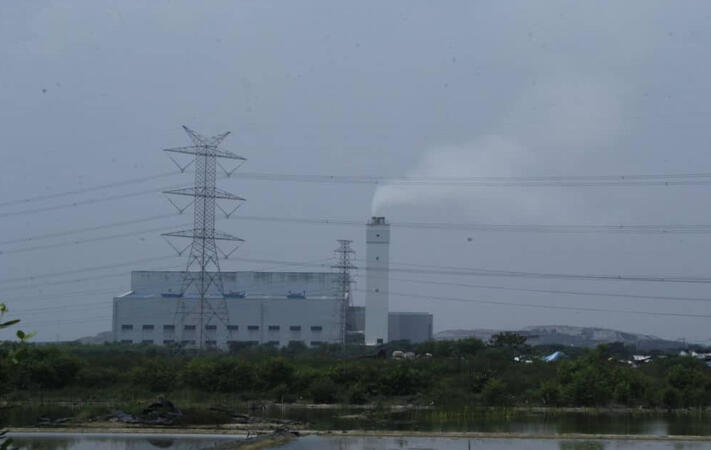
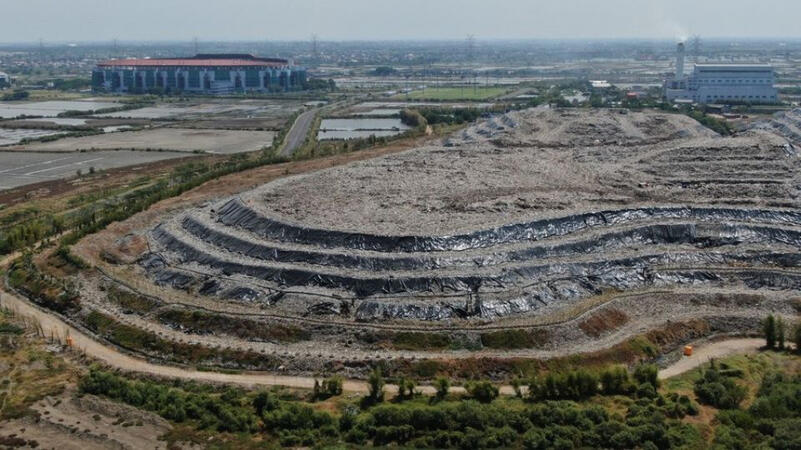
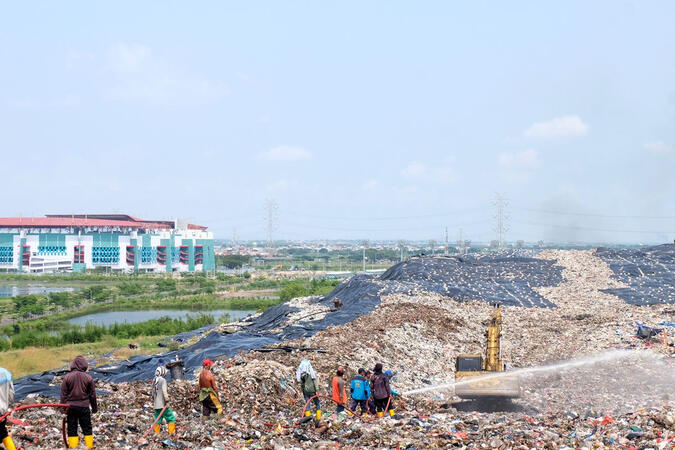
The dangers
The Benowo plant has poor waste sorting that makes organics and inorganics gets burned together, which releases more toxins that harms plants and insects. Organic waste in landfills rots and pollutes soil and water, harming microbes and aquatic life. The plant also produces heavy smoke and toxic gases, which damages vegetation and reduces the number of pollinators and birds in the area. As landfills keep filling up, natural habitats are lost, pushing out small animals and reducing overall biodiversity.
Our innovations:
Materials Recovery Facility (MRF) to sort out the waste
A big anaerobic tank that turns organic waste into biogas and compost
Fly ash management

This is an improved model of a waste-to-energy plant, designed to be a significant upgrade from the current Benowo facility.This redesigned plant is a major improvement because it directly addresses the root causes of the Benowo plant's environmental problems. By sorting the waste, it prevents organics and inorganics from being burned together, which significantly reduces the release of toxic dioxins and other harmful pollutants. This cleaner air protects the surrounding vegetation, allowing pollinators and birds to thrive, which in turn supports a more diverse and healthier ecosystem.Additionally, by converting organic waste into compost, the plant prevents it from rotting in a landfill and polluting soil and water. This preserves habitats and food sources for microbes and aquatic life.This plan turns waste into valuable resources. The fly ash becomes an ingredient for cement, while compost from the anaerobic tank is sold to the public, creating a thriving circular economy.
Biodiversity Enhanced Parks
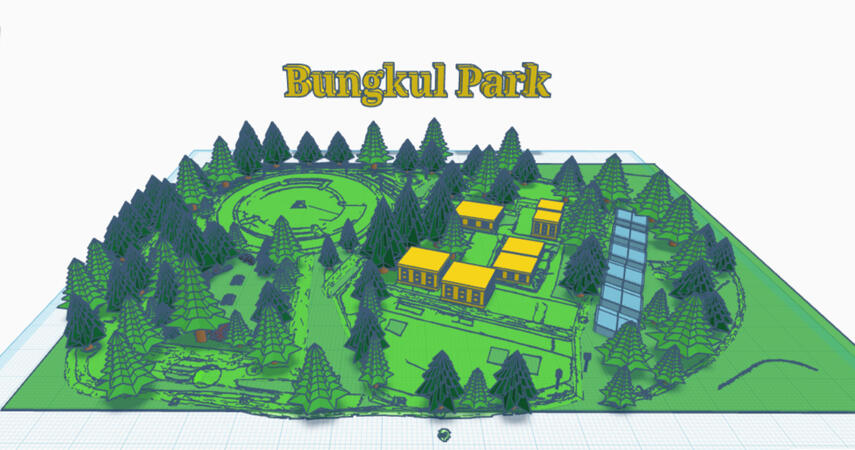
We came up with ideas that would be beneficial to our existing gardens and parks. In total, Surabaya have 949 parks across the city, ranging from big to small. We took the Bungkul Park as an example for our implementation.

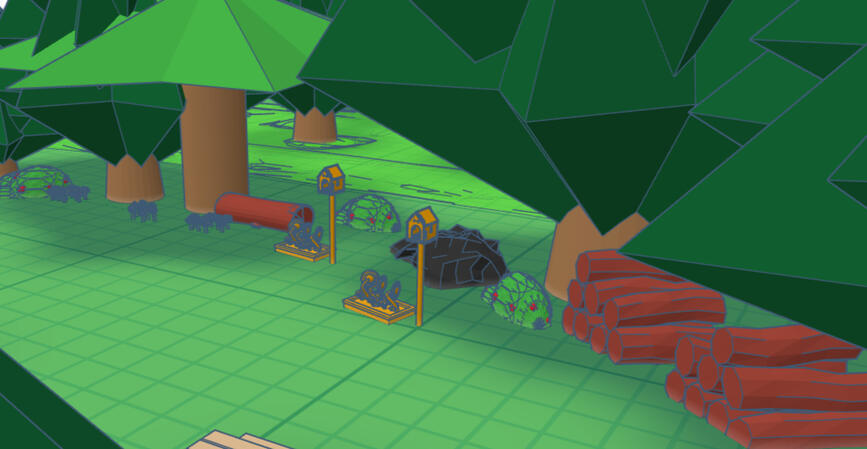
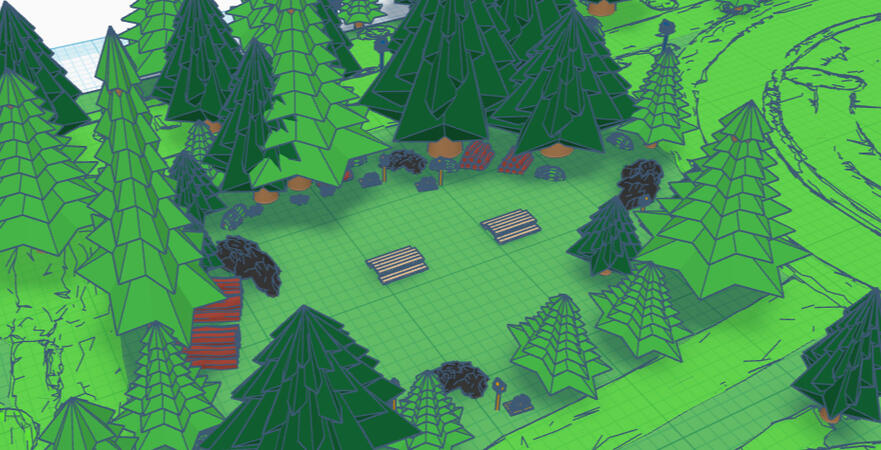
This is the rough sketch of our slightly modified Surabaya's Bungkul Park, located in Darmo. We used blueprints we found online for the base of this model. Through this, we added our ideas to make this park more biodiverse with the hope of implementing it to other parks across the city.
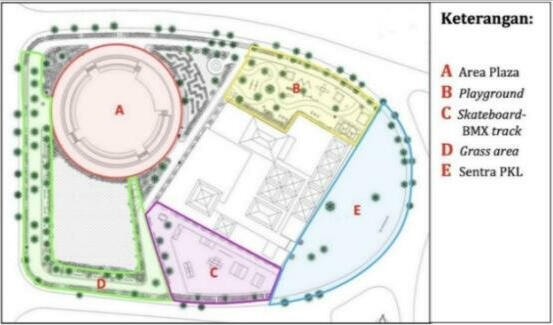
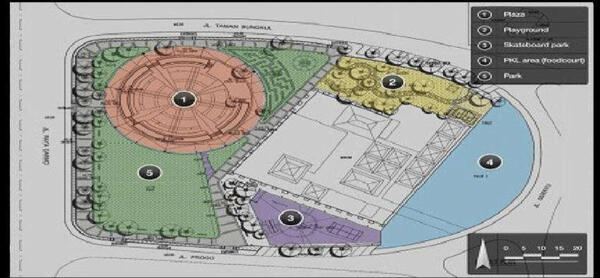
We can conclude that Bungkul Park is divided into 6 parts. With this information, we are able to know how we could approach the implementation.

A = Plaza Area
B = Green Area
C = Playground Area
D = Sunan Bungkul Grave
E = Skating Area
F = Food Court Area
Our ideas:
1. Multilayer native planting
2. Bird feeding poles
3. Bee hotels
4. Pollinator beds
5. Log and rock piles
6. Community care system
This idea aims to make city green spaces more biodiverse and sustainable. Multilayer native planting, bird feeding poles, bee hotels, pollinator beds, and log/rock piles will create food sources and habitats that support birds, insects, and small animals. A community care system ensures residents stay engaged in maintaining and monitoring the park, keeping biodiversity healthy over time.